Franchises, Joint-Ventures, and Social Enterprises (4.2)

Updated: Sep 23
Chapter 4 - Types of Business Organization
Lesson Objective: To understand franchises and joint-ventures
Franchises which are nothing but a legal agreements between two firms, the Franchisor and the Franchisee (e.g. Tavan Bogd and KFC). This contract establishes that the franchisee has the rights to using the name, logo, and trading systems of an existing successful franchiser brand:

Franchise is not a type of business organization such as sole trader, partnership, or limited companies.
Franchisees and Franchisors can choose whichever structure fits them best.

Franchising is a great, quick, and cheap way to grow: the franchisee pays for day-to-day running expenses and still pays the franchisor a portion of the profits they make.
Joint-Ventures is when two or more businesses work together on a business opportunity or project. Here are some examples:


Here are the reasons for and against the formation of a Joint-Venture:

Lastly, Social Enterprises:
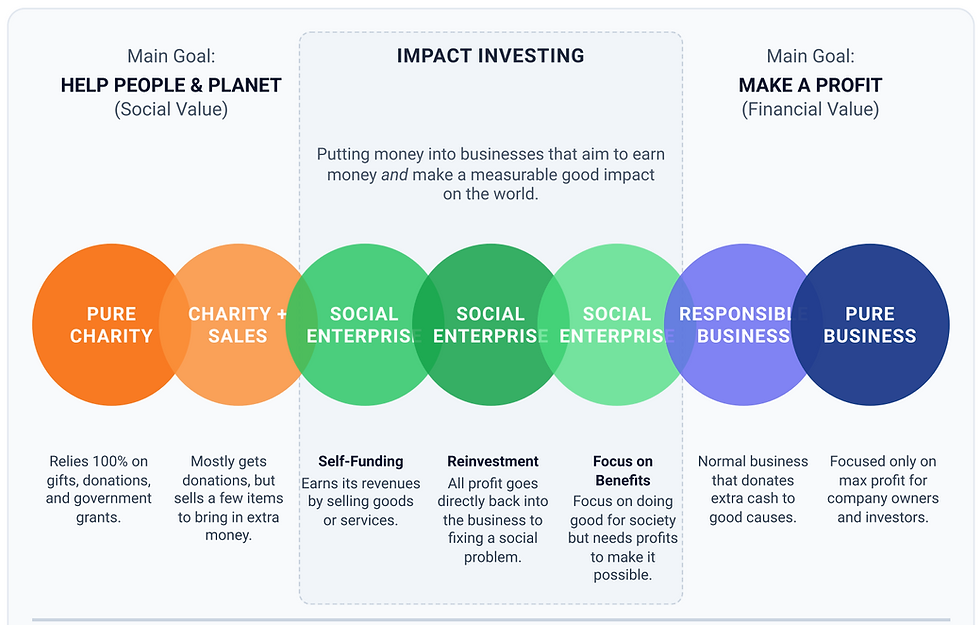
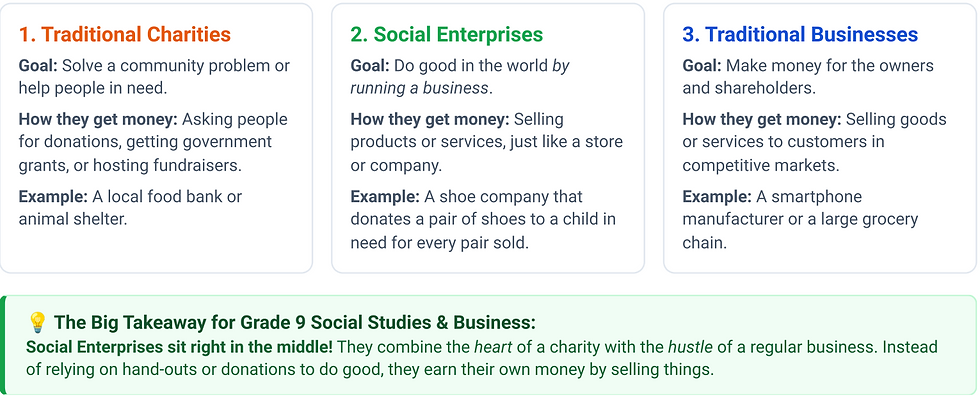
Social Enterprises still need to choose between the four types of business organizations.
To wrap it all up: there are many different business structures to choose from and the right choice depends on:
Whether the business is new or existing (older);
Business objectives (e.g. growth);
Willingness to keep control;
Attitude to risk (limited / unlimited liability);
Market size (small market, small business).
To-Do List:
Chapter 4 - Types of Business Organization



Comments